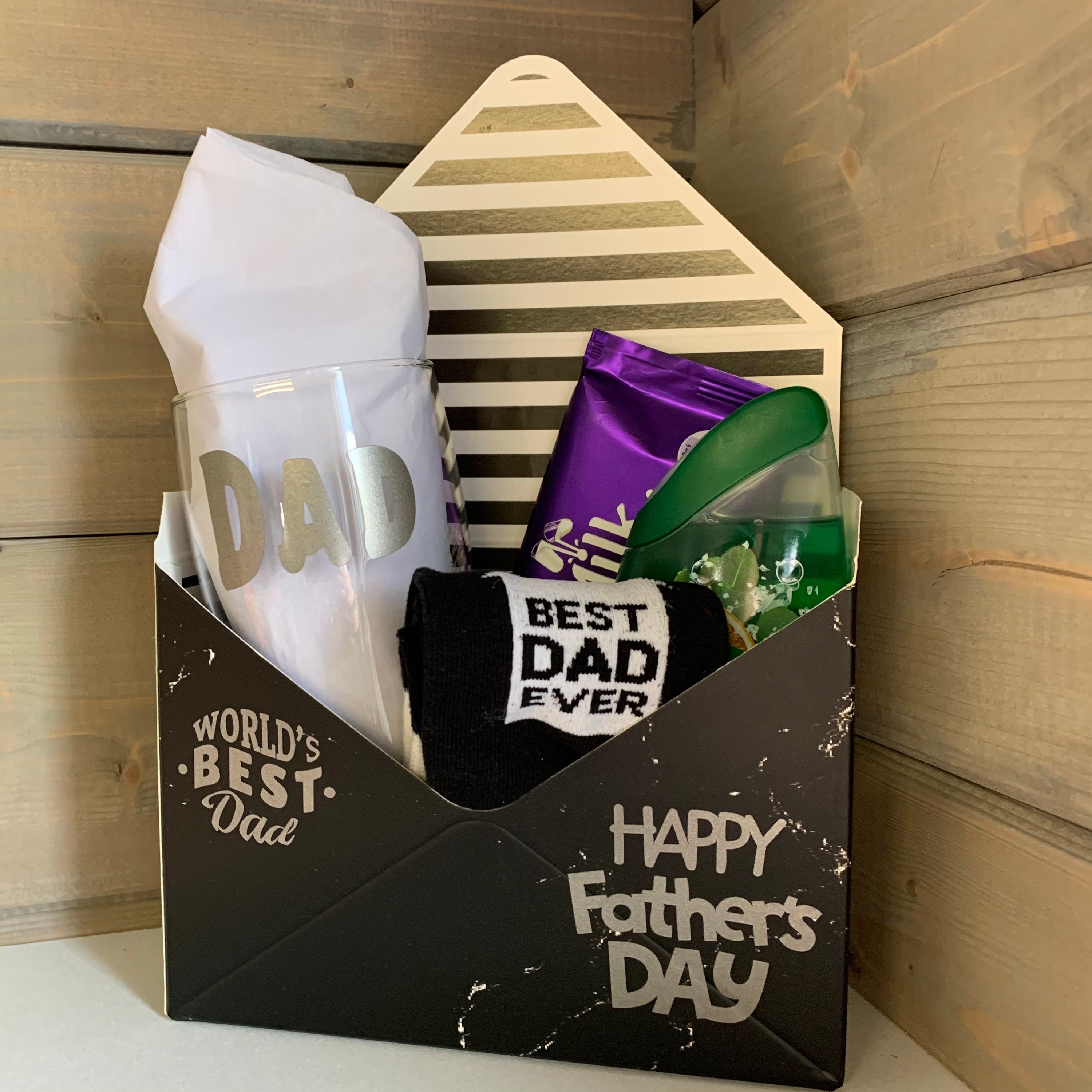
How to Make a Budget Father's Day Hamper Look Expensive (Without Breaking the Ba
Let’s be honest for a moment. You are standing in front of a beautifully curated array of gifts—a gourmet coffee roast, a set of craft beers, some surprisingly nice mustache soap—and you have assembled what you truly believe is the perfect Father's Day experience. It smells great, it feels thoughtful, and it definitely hits all the right notes for Dad’s personality.
Then comes the dreaded wrapping stage. Suddenly, your entire gift—the lovely collection of things that say, "I love you"—is threatened by a pile of crinkled tissue paper and a sad-looking piece of drugstore cellophane. The final presentation can make or break the perceived value of the entire hamper.
If you’ve ever stood in the gift aisle feeling this pressure—that your $40 collection needs to look like it cost $150—you are not alone. It feels impossible to achieve that perfectly styled, luxurious aesthetic while adhering to a strict budget. But here is the good news: making a hamper look high-end isn't about spending money; it’s about mastering presentation.
The Mindset Shift: Stop Thinking "Wrapping" and Start Thinking "Curation"
Before you even touch a single sheet of paper, change your focus. Most people treat wrapping as the last step in gift assembly. Instead, view the entire process—from selecting items to arranging them—as one continuous act of visual curation. The wrapper is just the final frame for the art inside.
Think about what makes a hampering feel curated and expensive? It’s not the sheer cost of the items; it's the variety, the thoughtful grouping, and the feeling of discovery when he opens it.
For example, instead of grouping three random things (a beer, some soap, and a book), group them by theme: "The Backyard BBQ Kit," or "Weekend Reading & Relaxation." This immediately elevates the narrative and makes the presentation feel intentional, no matter how humble your components are.
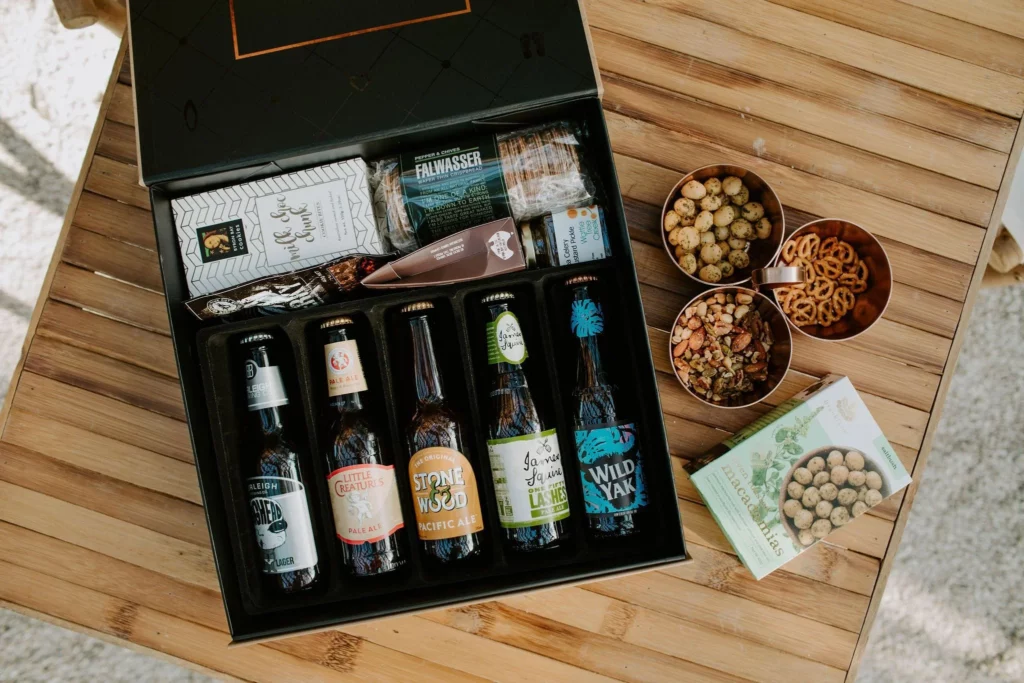
Elevating Presentation with Low-Cost Materials
This is where we tackle the literal wrapping challenge. The goal isn't to hide the contents; it’s to make them look like they were found in a beautifully styled rustic market, not an emergency trip to Target. Forget expensive store ribbons and fragile filler paper. These budget alternatives do heavy lifting:
- The Kraft Paper Genius: Seriously, buy one roll of simple brown craft paper. It looks effortlessly rustic, sophisticated, and costs next to nothing. Use it as your base layer for wrapping or even for a decorative backdrop around the hamper box itself.
- Newspaper/Magazine Print: If you want pattern without buying specialty paper, use classic black-and-white newspaper print (especially sports pages for Dad!). It adds an intellectual, masculine touch and is completely free. Alternatively, use pages from old maps or sheet music for a unique texture.
- The Power of Natural Fibers: Instead of synthetic bows, invest in jute twine or thin strips of raffia. These natural materials instantly look more artisanal and expensive than plastic ribbon ever will. Tie them in loose knots rather than tight bows—the casualness is the key to looking chic.
- Fabric Scraps as Liners: Do you have old, nice-looking shirts (even ones with a vintage print)? Cut them into usable squares of fabric. These make incredible liners for the hamper basket or box. It adds texture and depth while being completely free.
The Details That Scream "Thoughtful"
The subtle touches are what separate a $20 gift from a $100 gift in the recipient’s mind. You need to focus on elements that suggest effort, not expenditure.
Mastering the Nesting Effect
Never let your items just sit next to each other. Nesting Australian Chocolate means physically fitting smaller things into the gaps created by larger items. If you have a small jar of gourmet seasoning, don't place it on top; use it to fill a gap between a coffee mug and a book. This technique maximizes space and makes the arrangement look incredibly full and considered.
The Magic Note and Anecdote
A handwritten note is non-negotiable. But don't just write "Happy Father's Day." Reference something specific: "Hope this new bourbon pairs perfectly with those stories you tell at your annual poker night," or, "For the man who always knows how to fix things—enjoy this little tin of snacks for refueling!"
Speaking of making memories, I remember a year when my sister https://jeffreyenci383.inkharbory.com/posts/the-ultimate-guide-to-an-afternoon-snack-gourmet-basket-for-dad-s-birthday was struggling. She had purchased a beautiful but very generic gift basket. Before giving up, she found some dried lavender from her garden and used it to line the bottom of the wicker basket. The subtle, sweet scent—and the pop of color against the neutral wood—was a complete game-changer. It transformed "just stuff" into an experience.
A great quote about effort that comes to mind is: “The true measure of a man is how he treats someone who can do him absolutely no good.” When applied to gift-giving, it means the measure of your thoughtfulness isn't in the price tag; it’s in the attention you paid to every single element.
The Final Polish: Making It Look Finished
Once the items are arranged and wrapped, take a step back. What does it need? A flourish.
- The Filler: Use crumpled brown craft paper or shredded tissue (from those old shirts!) to fill empty spaces in the base of the hamper. This prevents items from sliding around and gives that "full" look.
- The Visual Anchor: Place one small, non-edible decorative item on top—a sprig of faux rosemary, a pretty pebble, or a single dried flower. This acts as the visual centerpiece and signals to the recipient: Look how beautiful this whole arrangement is.
- Layering the Tags: Don't stick just one tag on. Use several small tags tied at different points (e.g., one on the twine, one attached to a book spine) listing what’s inside or offering a small joke. This draws the eye around and makes the gift feel more complex and rich.
Beyond The Wrap: A Gift of Time
Ultimately, the most expensive thing you can buy is not the beer set or the soap; it's the time spent curating the idea. When your father opens that hamper, he won’t be thinking about how many dollars you spent; he will be feeling the warmth and effort behind every detail—the perfect pairing of items, the specific note referencing a shared memory, and the beautiful way everything was presented.
And that is the lesson we take away: true luxury in gift-giving always comes down to intention. So go forth, grab some brown paper, breathe deep, and remember that heart beats far louder—and looks much better wrapped—than any price tag ever could.